The Complete Guide to E-Waste Recycling: Why It's Important and How to Begin
Electronic waste recycling represents a critical yet frequently neglected component of contemporary sustainability. With technology evolving rapidly, millions of tons of electronic waste accumulate each year, posing significant environmental risks. Understanding the nuances of e-waste disposal can empower individuals to make informed choices. This guide not only outlines effective recycling practices but also explores the broader implications for the environment and economy. The pursuit of responsible electronic waste management commences with a handful of essential measures.
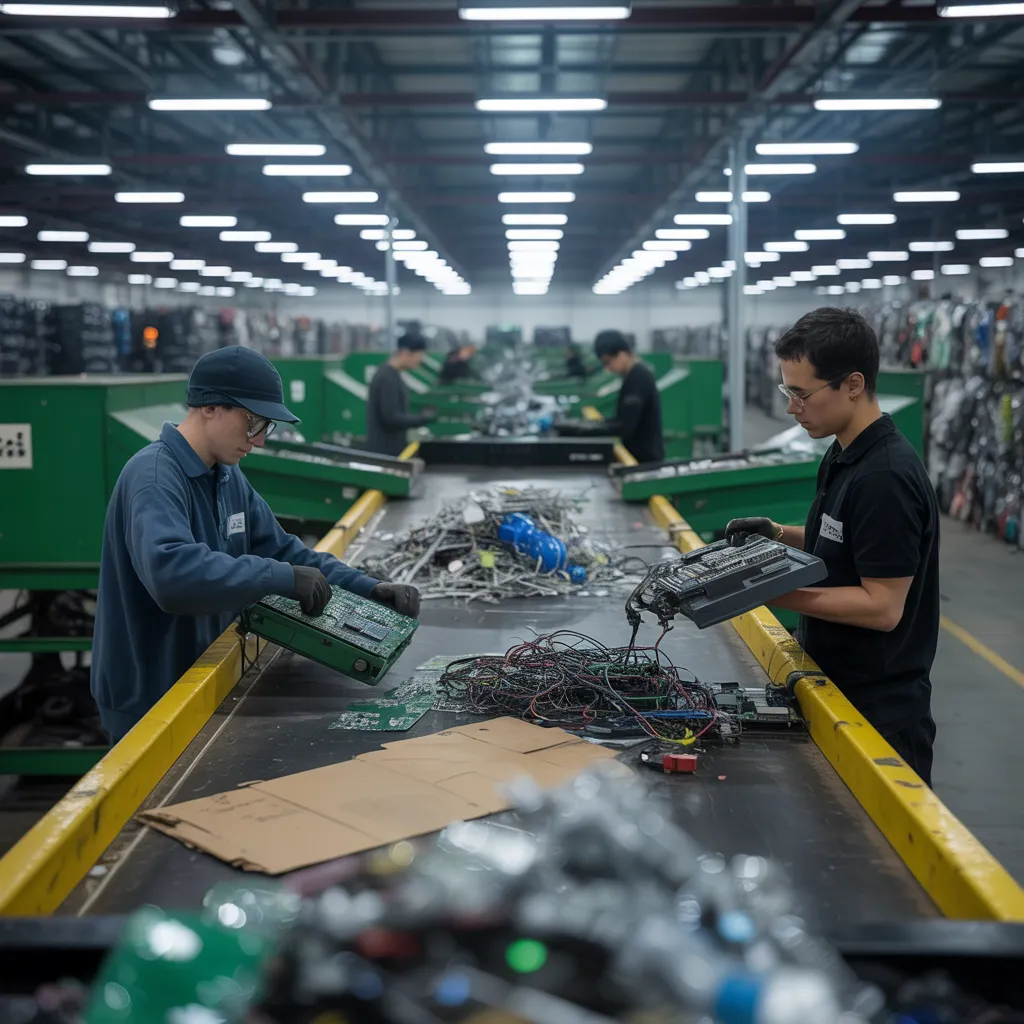
Everything You Should Know About E-Waste
Electronic waste, commonly known as e-waste, encompasses discarded electrical and electronic equipment, and grasping its impact is essential in the modern digital era. The rapid advancement of technology has resulted in a significant increase in e-waste generation, with millions of tons produced annually. This waste often contains hazardous materials such as lead, mercury, and cadmium, posing serious environmental and health risks if not managed properly.
In addition, important resources like copper, gold, and rare earth minerals are contained in these devices, which can be recovered through recycling methods. Yet, a large quantity of e-waste is discarded in landfills, worsening resource depletion and pollution. Knowledge about proper disposal methods and the value of recycling can address these problems, promoting a greener approach to technology use. Recognizing e-waste is vital to promoting accountable habits and supporting impactful recycling efforts within communities.
Your Initial Steps to E-Waste Recycling
Making the effort to recycle e-waste can significantly influence environmental health and individual responsibility. To start, people should evaluate their old or non-functioning electronics, sorting items including smartphones, laptops, and printers. This process aids in gauging the amount of e-waste that requires attention. Additionally, looking into local recycling initiatives is essential. Numerous neighborhoods provide dedicated drop-off points or scheduled collection drives for electronic waste.
Individuals should also familiarize themselves with which items are recyclable and which are not, as regulations change based on the region. After locating appropriate recycling programs, packing the items securely for transport guarantees safety and minimizes damage. In conclusion, one should follow up on the disposal procedure, ensuring that qualified recyclers are responsible for handling the e-waste. By taking these initial steps, individuals contribute to a more sustainable future while responsibly managing their electronic waste.
The Ecological Effects of E-Waste Recycling
Though commonly disregarded, the environmental significance of electronic waste recycling is substantial and extensive. Appropriate recycling of electronic waste serves to prevent hazardous materials, such as lead, mercury, and cadmium, from polluting soil and water supplies. These dangerous toxins can lead to significant health dangers for both humans and wildlife. By recycling, precious materials like silver, gold, and copper are recovered, decreasing the demand for mining and decreasing the overall carbon emissions related to the mining of raw materials.
Moreover, effective e-waste recycling minimizes landfill use, where deteriorating electronic devices emit toxic substances. It strengthens a circular economy by championing sustainable approaches, encouraging manufacturers to design products with recyclability in mind. Beyond that, recycling can reduce greenhouse gas emissions by decreasing energy consumption compared to producing new materials. Ultimately, the environmental advantages of e-waste recycling emphasize Get it now its essential function in cultivating a healthier planet and securing responsible oversight of electronic resources.
Economic Benefits of E-Waste Recycling
E-waste recycling provides considerable economic benefits, particularly through job creation and resource recovery. By establishing recycling facilities, communities can generate employment opportunities while supporting eco-friendly initiatives. Furthermore, extracting useful resources from discarded electronics reduces the need for new resource extraction, resulting in substantial financial savings.
Employment Generation Prospects
Processing e-waste not only tackles environmental issues but also acts as a driving force for employment growth. The e-waste recycling industry generates a variety of employment opportunities, ranging from collection and sorting to processing and refurbishing electronic devices. As the need for eco-friendly methods increases, this industry is developing rapidly, calling for qualified professionals in technology, engineering, and supply chain management. Regional economies gain advantages as employment opportunities frequently emerge in communities with elevated joblessness, promoting neighborhood advancement. Furthermore, businesses involved in e-waste recycling can stimulate innovation and entrepreneurship, fostering a circular economy. By investing in e-waste initiatives, governments and organizations not only promote environmental sustainability but also enhance economic resilience through meaningful employment opportunities.
Material Recovery Savings
The e-waste recycling industry not only produces job opportunities but also delivers considerable economic benefits via resource recovery efficiencies. By reclaiming valuable materials such as gold, silver, and copper from discarded electronics, recycling minimizes the need for virgin resource extraction, which is often costly and environmentally damaging. This process lowers production costs for manufacturers, eventually resulting in lower prices for end users. Additionally, the energy savings associated with recycling e-waste can be substantial, decreasing operational costs for businesses and improving overall economic efficiency. In addition, as worldwide demand for electronic products keeps growing, efficient resource recovery from e-waste becomes increasingly essential for sustaining supply chains and enhancing economic resilience. Consequently, electronic waste recycling represents a wise investment for both economic and environmental well-being.
How to Recycle Your Old Electronics
Unsure about where to recycle your obsolete electronic devices responsibly? Many solutions are available for disposing of aging electronics, guaranteeing both ecological safety and the recovery of valuable materials. Nearby recycling facilities frequently take in a broad range of electronic items, including computers, phones, and televisions. Several cities and towns also arrange scheduled e-waste drop-off events, creating a practical opportunity for local residents to safely recycle their unwanted devices.
Well-known retailers including Best Buy and Staples run take-back schemes, enabling customers to drop off their used electronics upon buying new devices. Certain manufacturers offer mail-in recycling options, making it possible for users to mail their obsolete gadgets directly to specified collection facilities. Non-profit entities can also receive contributions of operational electronic devices, prolonging the usable life of these devices while benefiting community programs.
Debunking Myths About E-Waste Recycling
Although many people believe that e-waste recycling is unproductive, the reality is that well-organized initiatives can significantly minimize environmental harm. A popular misunderstanding is that e-waste ends up in landfills regardless of recycling efforts. In truth, reputable recycling facilities reclaim important components and responsibly eliminate hazardous components.
One popular myth states that recycling electronics is too complicated or costly. Nevertheless, a variety of community programs feature no-cost drop-off points, allowing everyone to participate with ease. Many also offer handy pickup services.
In addition, certain individuals assume that e-waste can always be recycled, but not all items can be recycled as a result of the unique materials used in their construction. Understanding local guidelines is essential.
Lastly, some assume that e-waste recycling has no impact on job creation. In fact, the recycling industry produces thousands of employment opportunities, benefiting the economy while promoting environmental sustainability. By debunking these myths, individuals can make informed choices about e-waste recycling.
Questions We Often Receive
Can I Recycle Batteries With My E-Waste?
Batteries should not be recycled with e-waste. Separate handling is necessary owing to the dangerous materials within them. Appropriate disposal methods involve dedicated recycling centers or specially organized collection events for batteries, guaranteeing safe and eco-friendly processing.
What Happens to My Data During Recycling?
When recycling devices, information stored on electronic devices can be compromised if not securely deleted. Trusted recycling centers utilize dedicated processes to confirm thorough data removal, protecting sensitive data from unauthorized recovery or exploitation.
Is E-Waste Recycling Regulated by Law?
E-waste disposal is subject to various laws and regulations that differ by country and region. These laws aim to promote safe disposal, safeguard the environment, and manage hazardous materials effectively during the recycling process.
Is There a Fee for Electronics Recycling?
A number of electronics recycling facilities could impose fees for processing electronic items, particularly for certain categories like TVs or monitors. Even so, certain centers offer free recycling, often funded by manufacturer-sponsored programs or local programs supporting responsible disposal.
How Can I Promote E-Waste Recycling in My Community?
To promote e-waste recycling in the community, organizations can host awareness campaigns, collaborate with local businesses for drop-off events, and leverage social media to spread valuable information about the environmental benefits and proper disposal methods.